



lab notebook: reproducibility, from alchemy to ci
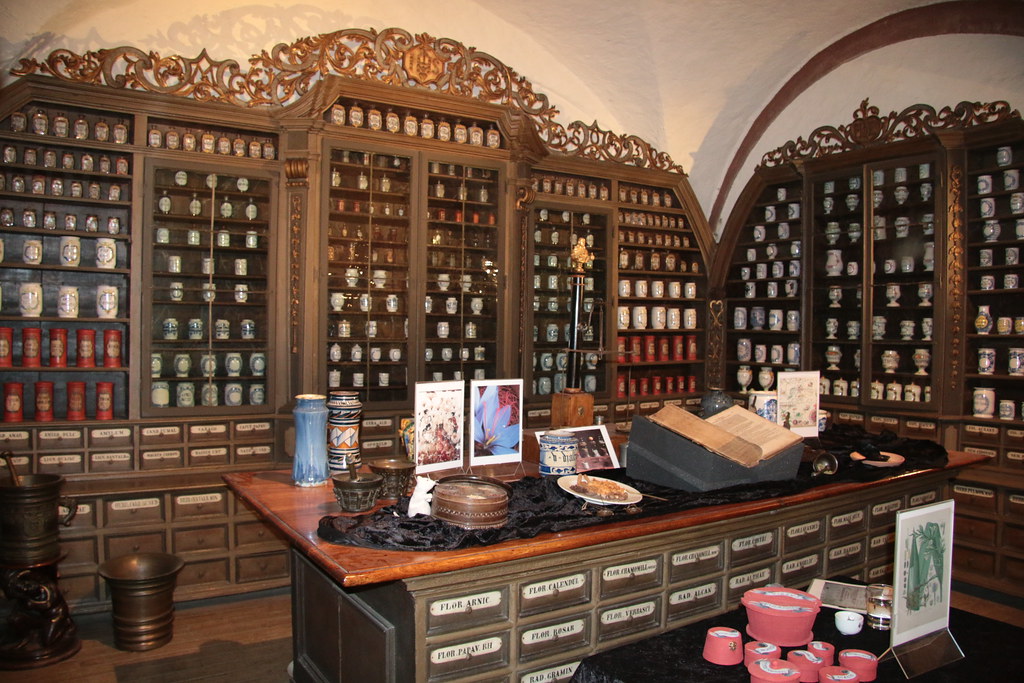
excerpts from a notebook that spans four centuries. margins are mine, added later.
entry, 1618. the recipe for the philosopher's stone, as recorded by a student: "dissolve the red dragon in the green lion, then let the black crow fly." the teacher guards the meaning. the student writes symbols, not steps.
margin: a method that only one person can decode is not a method. it is a secret, and it will die with its owner.
entry, 1660s. a famous laboratory burns. years of process knowledge vanish with the notebooks. the apparatus survives; the sequence does not. competitors cannot verify anything, allies cannot help, and the failure is not reproducible either.
margin: data without a method cannot be debugged. this is the "works on my machine" of the seventeenth century.
entry, 1789. lavoisier publishes an elementary treatise of chemistry: named substances, a standard notation, described procedures. "nothing is lost, nothing is created, everything is transformed."
margin: the notable part is not a discovery. it is a format. with named ingredients and a shared notation, another laboratory can reproduce the result and find the error when it fails. the field accelerates because failure is now informative.
entry, today. build. lockfile pins the exact versions of every ingredient. the container records the apparatus: os, libraries, tools. ci is a foreign laboratory that runs the same recipe from scratch and complains if it gets a different result. checksums bind an artifact to an input.
margin: we chose the chemistry bet. publish the method, pin the environment, make the build repeatable. what stays private is credentials and customer data, not the how.
entry, also today. the alchemist's objection. "our setup is too messy to document." that was also true in 1660, and the answer has not changed: start with one recipe. a dockerfile. a make target. a readme that a new machine could follow. the first reproducible experiment is the hardest and the rest get easier.
margin: a result without a method is an anecdote. lockfiles, containers and ci are the modern standard notation, and they exist because someone lost a laboratory and decided never again.
the philosophers' stone was never real. the method was, and it changed everything anyway.
image credits
- cover: alchemist his laboratory his family: by desconhecido (cc0 1.0)
- image: German Pharmaceutical Museum at Heidelberg Castle by kitmasterbloke (by 2.0)