


restoration journal: cologne cathedral
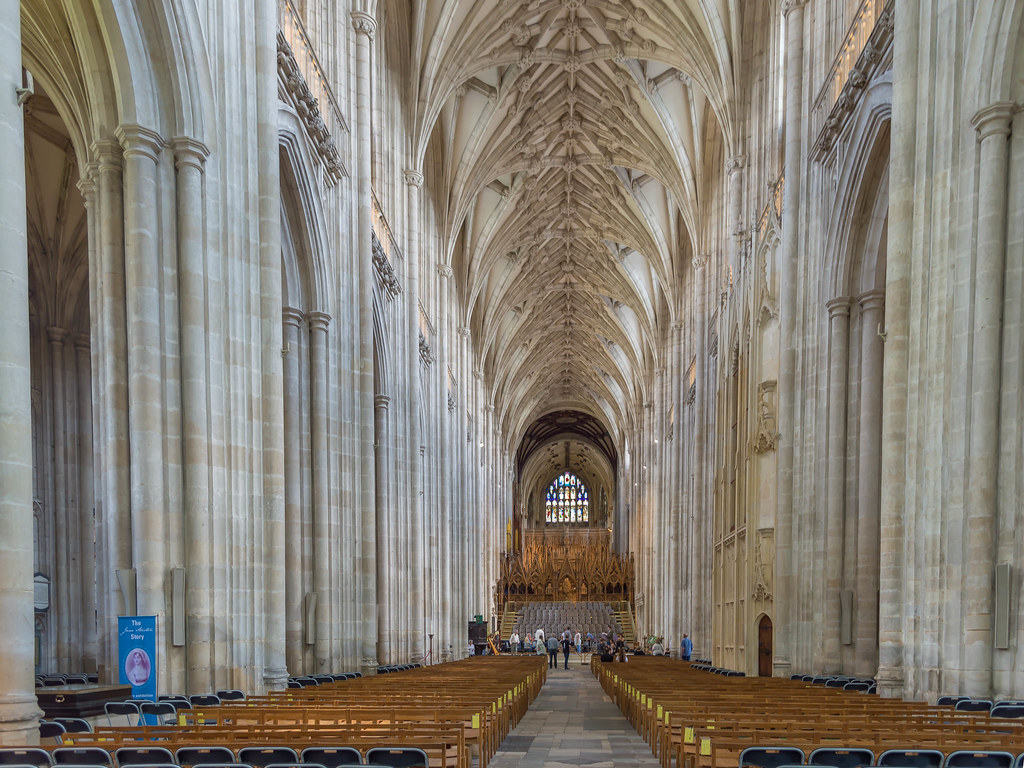
a timeline, annotated. the project ran from 1248 to 1880.
1248. the first stone. the design is ambitious beyond what the current funds can support, which is true of every cathedral and most software.
1473. work stops. the crane on the south tower stays in place. it will stay there for four hundred years. nobody plans this; funding and interest simply end.
note: the crane becomes a monument to a paused project. temporary scaffolds that nobody removes stop being temporary.
1560s–1790s. the unfinished building is used anyway. services happen. the choir stands. a cathedral is a process, not a deliverable.
note: partial systems are usually what people actually use. design the usable partial state.
1820s. romanticism rediscovers the gothic. funding returns. the original plans are studied, debated, partially retrofitted. a generation picks up a design from five centuries earlier.
note: the plans survived because they were drawn. masons also left marks on the stones, so later engineers could reconstruct who cut what and how. documentation is how design crosses generations.
1842. construction resumes with new techniques (iron roof supports) while keeping the medieval geometry. the building becomes a hybrid of two engineering eras, and that is fine, because the specification was geometric, not technical.
note: separate the intent from the implementation and upgrades stop being rewrites.
1880. completion. six hundred and thirty-two years after the first stone. the people who finished it never met the people who started it, and the building only exists because both groups honored a design they had not authored.
the maintenance log (ongoing)
cathedrals do not stay built. stone weathers, lead moves, mortar fails. the current work will never end, and that is the actual product: a maintenance schedule wrapped around a work of art.
every long-lived system has this shape. the interesting engineering question about a ten-year-old service is not "how do we rewrite it", it is "do we understand it well enough to change it safely". that answer is always cheaper to produce before you need it.
closing entry
at the peak, the site employed hundreds of craftsmen who never saw the finished building. the software equivalent is any team that inherits a codebase older than its members. the only tools that help are the ones that carry intent forward: schemas, tests, decisions recorded near the code, commit messages written for a stranger.
the stranger is you, in five years, with no memory of why anything is the way it is.
image credits
- cover: St. Vitus Cathedral at Christmas by prague.czech.photo (by 2.0)
- image: 8월에 휴가를 떠나는 친구때문에 다시 들춰본 2013년 가을의 크로아티아 #Travel #Memories #Throwback #2013 #Autumn #Zagre by IchStyle (by 2.0)