



You can find the code at: github.com/luis-ota/luis-ota-portfolio.
the container was healthy. the door was locked.
a deploy story in four scenes.
scene one: the port was taken
a preview container was holding 127.0.0.1:3000 while I tested a new site. the deploy ran and failed the way you expect:
Bind for 127.0.0.1:3000 failed: port is already allocated
I removed the preview container, freeing the port, and re-ran the deploy. I expected a boring success.
scene two: the container that existed
docker ps answered immediately, cheerful:
luis-ota-portfolio Up 2 minutes (healthy)
health means the process inside is answering a probe. the app had logged listening on 3000. every signal said "alive".
so I knocked:
$ curl http://127.0.0.1:3000/
curl: (7) Failed to connect
nothing. nobody home. I restarted the container. same. I checked the logs again, as if the logs would confess.
scene three: the missing listener
docker port printed an empty line. not a wrong port. nothing.
$ docker port luis-ota-portfolio
(empty)

$ sudo ss -tlnp | grep 3000
(empty)
but the config believed otherwise:
$ docker inspect luis-ota-portfolio --format '{{json .HostConfig.PortBindings}}'
{"3000/tcp":[{"HostIp":"127.0.0.1","HostPort":"3000"}]}
the mapping existed on paper. the kernel had never heard of it.
the reveal: docker programs port forwarding at creation time. my first failed up had created the container and then failed at the networking step. the container survived in Created state. the second up reused it: it started the process, but the creation step, where the port is wired, was never replayed.
healthy inside, invisible outside. a locked door with a green light above it.
scene four: force-recreate
docker compose up -d --force-recreate --remove-orphans
a fresh container, created from scratch, port programmed, curl returns 200.
that line now lives in every deploy script I own. it costs seconds and removes a whole category of ghost states: containers that are almost the container they claim to be.
epilogue: the smoke test is the story
the deploy script checks the app from the outside, through the proxy, after the container is up. if I had trusted docker ps, the site would have been "deployed" for an hour before anyone noticed.
automation lied to me exactly once, and the only reason it was cheap is that a curl disagreed with it.
image credits
- cover: Ym People at Keelung by wirralwater (by 2.0)
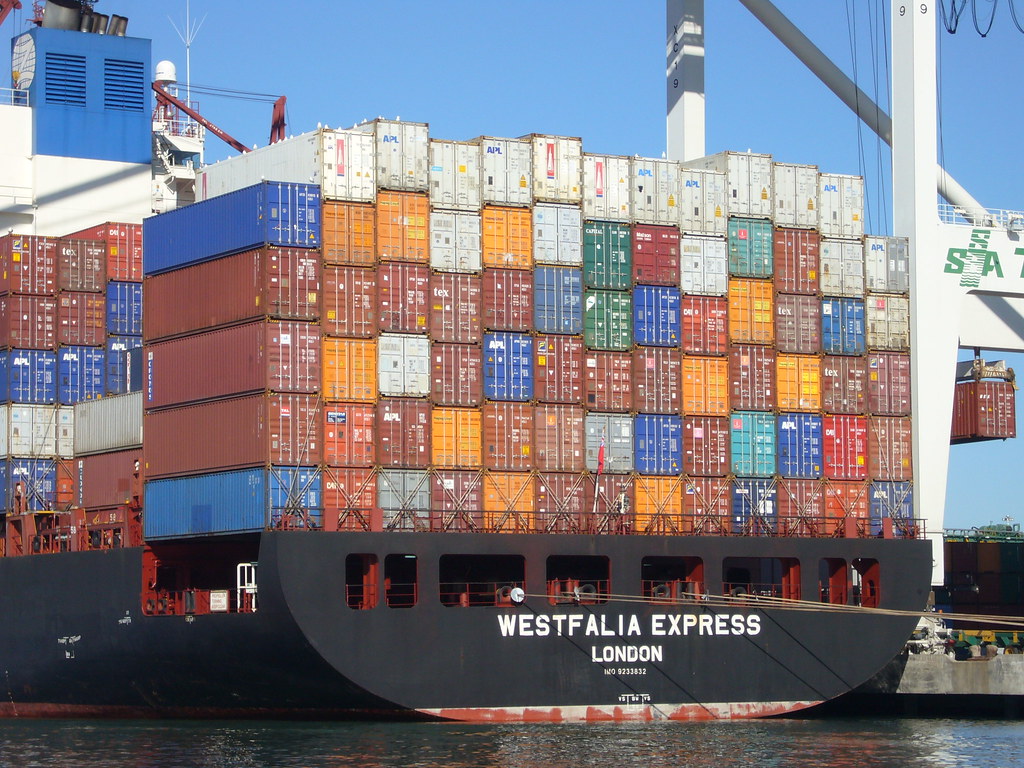
- image: Containers by Jim Bahn (by 2.0)