


contract diff: what an OpenAI client expects vs what my proxy returns
a compatibility layer is a promise. this is the diff I maintain for zcode-opencode-provider.
the request
client sends:
{
  "model": "glm",
  "messages": [{ "role": "user", "content": "hello" }],
  "stream": false
}
proxy translates it for the local app-server and back. the shape is easy. the contract is everything around it.
contract diff
| client expects | mvp delivers | gap |
|---|---|---|
choices[].message.content string | yes | none |
finish_reason semantics | stop only | no length, no tool calls |
usage token accounting | approximate | upstream does not expose exact counts |
streaming (stream: true) | rejected with a clear error | not faked |
| tool calls | out of scope | client must not rely on them |
| session resume | out of scope | each request is independent |
error shape with error.message | yes | same shape as OpenAI |
| auth | none | localhost-only by design |
the tempting move is to accept stream: true and return one big chunk. clients then believe they support streaming, branch on deltas, and break in ways I cannot reproduce. a compatibility layer that lies about capabilities moves the bug into the caller's codebase.
security posture, stated in the readme
- binds to
127.0.0.1only, - no authentication, because there is no remote access,
- credentials are read by the original app-server; the proxy never sees or logs keys.
the readme says "do not expose this" because a local-only service with no auth becomes a public open service the moment somebody changes a bind address. defaults are security decisions.
what the mvp deliberately is
one request at a time, text prompts, non-streaming responses. that is a scope statement, not an apology. every unimplemented feature is listed as unimplemented, so a user can decide whether the proxy fits before integrating it.
the general lesson
when integrating two systems, write the mismatch list first. mine looks like this and it is the most useful page of the repository:
- behavioral gaps (what works differently),
- missing features (what does not exist),
- security assumptions (what must stay true for this to be safe),
- upgrade risks (what breaks when the upstream changes).
adapters fail in the seams between two cultures, not inside either one. the seam is the product.
image credits
- cover: Leaf Aptus remote battery (self-made) by boingr (by-sa 2.0)
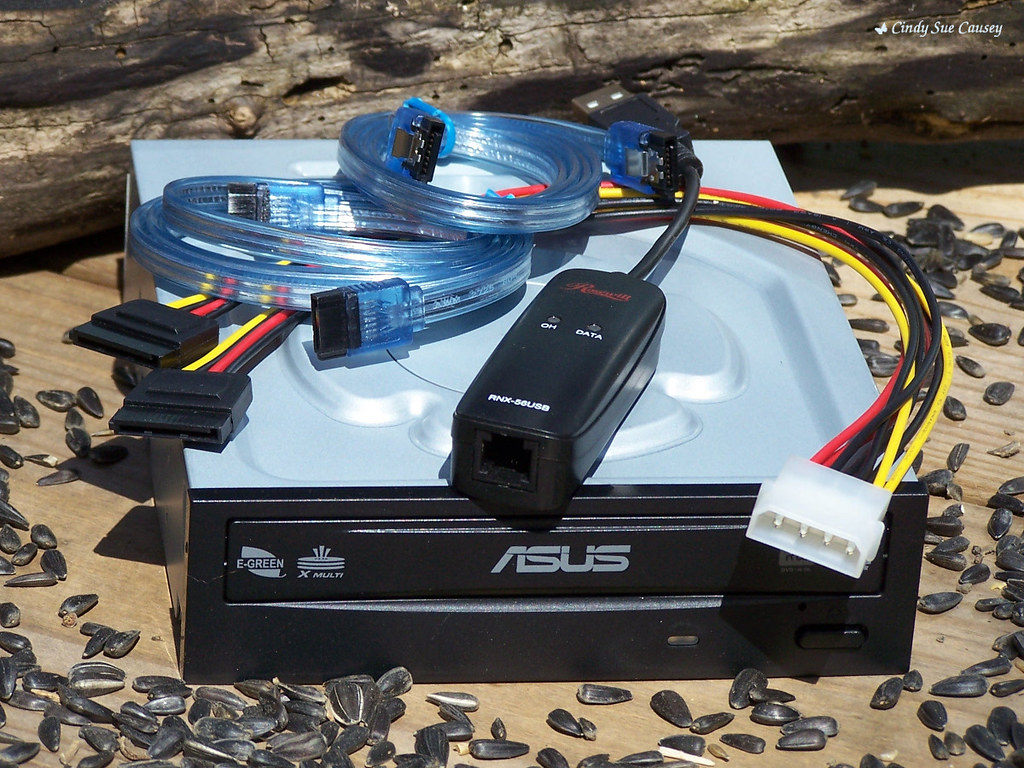
- image: Modem, DVD Burner and SATA cable computer upgrades by Cindy Sue Causey (by 2.0)